

Exporting from Indonesia has become an increasingly attractive option for international buyers. With abundant natural resources, competitive production costs, and access to major global shipping routes, Indonesia offers strong opportunities for buyers seeking reliable suppliers. However, understanding the export process, regulations, and practical requirements remains essential to ensure smooth and secure transactions.
For this reason, this guide presents a comprehensive overview of exporting from Indonesia. It is specifically designed for international buyers who seek clarity, transparency, and better risk awareness before entering cross-border trade.
Why International Buyers Source from Indonesia
Indonesia attracts global buyers because of several clear structural advantages.
First, the country offers a wide range of natural resources. Indonesian producers supply agricultural commodities, plantation products, and processed derivatives at scale. In addition, long-established supply chains support consistent production and reliable volume planning. As a result, buyers can secure stable supply over extended periods.
Second, Indonesia maintains competitive production costs. Labor availability, close access to raw materials, and mature processing industries allow exporters to offer pricing that balances cost efficiency with product quality.
Third, Indonesia’s strategic location strengthens its role in global trade. The country sits along major international shipping routes connecting Asia, the Middle East, Europe, and the Americas. Consequently, buyers benefit from flexible logistics options and relatively stable transit times.
Overall, these advantages position Indonesia as a sourcing destination that supports long-term partnerships rather than short-term transactions.
Read Also : Indonesia’s Natural Resources A Key Driver for Global Buyers
Key Export Products from Indonesia
Indonesia exports a broad range of products to global markets. While many buyers associate the country with raw commodities, Indonesian exporters increasingly focus on processed and value-added goods that meet international standards.
Agricultural products remain a major export category. These products include plantation-based commodities, spices, and specialty crops used widely across food, beverage, and manufacturing industries.
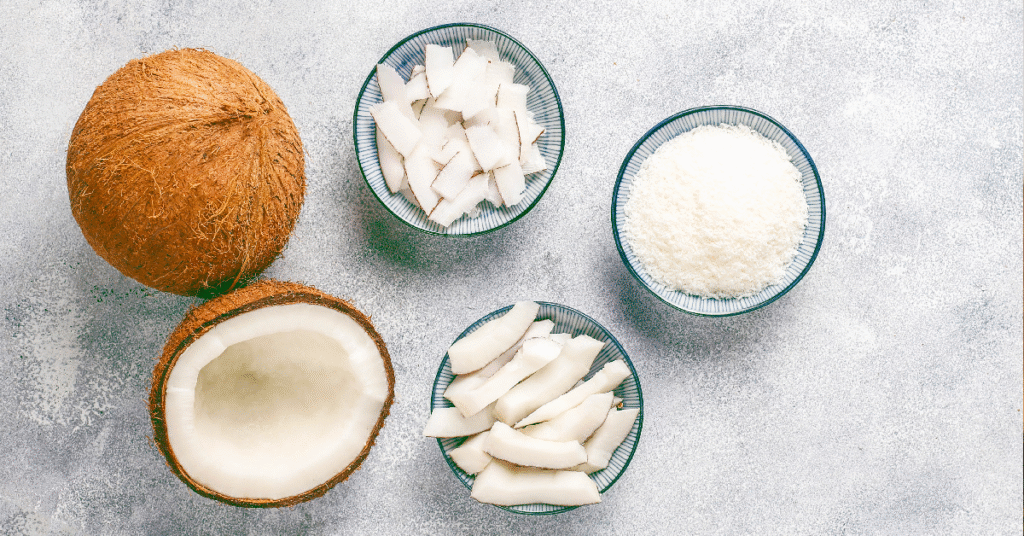
In addition, coconut-derived products have gained strong international demand. Buyers value their versatility across health, food, and personal care sectors. Likewise, spices, coffee, and cocoa continue to attract global buyers due to Indonesia’s established production regions and export experience.
Beyond agriculture, Indonesia also exports manufactured goods, textiles, furniture, and industrial components. Therefore, buyers from diverse industries can explore sourcing opportunities that match their specific requirements.
Export Regulations and Compliance in Indonesia
Export regulations play a critical role in international trade. In Indonesia, the government applies a structured export framework to ensure product quality, legal compliance, and traceability.
Indonesian exporters must hold valid business licenses and register with relevant government authorities. Depending on the product, exporters may also need additional approvals or registrations before shipment.
Export documentation forms a mandatory part of every shipment. These documents typically include commercial invoices, packing lists, certificates of origin, and transport documents. Furthermore, certain products require phytosanitary certificates, health certificates, or laboratory test reports.
For international buyers, confirming that an exporter manages these requirements effectively helps reduce the risk of shipment delays, customs issues, and compliance failures at the destination port.
Step-by-Step Export Process for International Buyers
Although each transaction differs by product and destination, exporting from Indonesia generally follows a clear and structured process.
First, the process starts with an inquiry and quotation stage. Buyers share product specifications, quantities, and delivery terms. In response, exporters provide pricing, lead times, and commercial conditions.
Next, sampling and approval usually take place. This step is especially important for food, agricultural, and consumer goods, as it allows buyers to verify quality before committing to larger volumes.
After approval, production or sourcing begins. Exporters may conduct quality control inspections during or after production to ensure compliance with agreed standards.
Then, exporters prepare documentation and complete export clearance before shipment. This stage includes coordinating with logistics providers and finalizing all export documents.
Finally, goods ship under the agreed incoterms. Buyers receive tracking details and final documentation for import clearance.
Shipping Options, Incoterms, and Logistics
Logistics planning plays a vital role in exporting from Indonesia. Buyers and exporters usually agree on incoterms that define cost responsibilities, risk allocation, and delivery points.
The most common incoterms include FOB (Free on Board) and CIF (Cost, Insurance, and Freight). Under FOB terms, buyers arrange shipping after goods load at the port. Under CIF terms, exporters handle freight and insurance to the destination port.
Sea freight remains the most widely used transport method because it offers cost efficiency for bulk and container shipments. Meanwhile, buyers may choose air freight for smaller volumes or time-sensitive deliveries.
To avoid disruptions, buyers should discuss lead times, transit durations, and potential congestion periods in advance.
Payment Methods and Trade Security
Payment structure represents another key consideration for international buyers sourcing from Indonesia. Common payment methods include advance payment, partial advance with balance payment, and letters of credit.
Exporters often request advance payments for first-time transactions or customized orders. Partial advance payments help balance risk between buyers and exporters. Letters of credit provide additional security, although they involve higher administrative complexity.
To reduce risk, buyers should work with experienced exporters, request clear contracts, and use secure banking channels. Transparent payment terms support trust and long-term cooperation.
Common Risks in Exporting from Indonesia and How to Avoid Them
Exporting from Indonesia involves risks that buyers should actively manage.
Quality inconsistency may arise when suppliers lack standardized processes. Buyers can reduce this risk by requesting samples, clear specifications, and inspection reports.
Documentation errors can lead to customs delays or extra costs. Therefore, working with exporters who have proven international shipping experience helps minimize this issue.
Logistics delays may occur due to port congestion or seasonal factors. Clear scheduling and buffer planning allow buyers to manage expectations more effectively.
Fraud and misrepresentation risks can also appear in cross-border trade. Buyers can limit these risks through due diligence, reference checks, and professional communication practices.
How to Choose a Reliable Export Partner in Indonesia
Choosing the right export partner remains one of the most important decisions for international buyers. Reliable exporters demonstrate transparency, experience, and consistent communication.
Buyers should evaluate whether exporters understand regulatory requirements, maintain consistent product quality, and provide realistic timelines. In addition, professional documentation, responsive communication, and openness to information sharing strongly indicate reliability.
Ultimately, long-term partnerships depend on trust, mutual understanding, and shared commercial goals. Buyers who invest time in partner selection often achieve smoother operations and stronger results.
Conclusion
Exporting from Indonesia offers significant opportunities for international buyers across multiple industries. The country’s resource diversity, competitive production environment, and strong global trade connections make it a strategic sourcing destination.
By understanding export regulations, processes, logistics, and risk management strategies, buyers can engage Indonesian suppliers with greater confidence. Moreover, working with experienced and compliant exporters supports efficient transactions, consistent quality, and sustainable long-term collaboration.
For international buyers aiming to diversify sourcing or build stable supply chains, Indonesia continues to serve as a reliable and attractive partner in global trade.

One Price ôðàíøèçà äëÿ íà÷èíàþùèõ ïðåäïðèíèìàòåëåé https://oneprice.shop/
https://weburg.net/redirect?url=oneprice.shop
Купить пластиковые окна на заказ в Москве — это отличный способ улучшить энергоэффективность вашего дома и повысить его комфорт.
Одним из ключевых преимуществ пластиковых окон является их долгий срок службы.
Купить пластиковые окна на заказ в Москве — это отличный способ улучшить энергоэффективность вашего дома и повысить его комфорт.
Хорошо подобранные характеристики пластиковых окон — залог их эффективной работы.
Купить пластиковые окна на заказ в Москве — это отличный способ улучшить энергоэффективность вашего дома и повысить его комфорт.
Эти окна гарантируют высокий уровень звукоизоляции и защиты от холода.