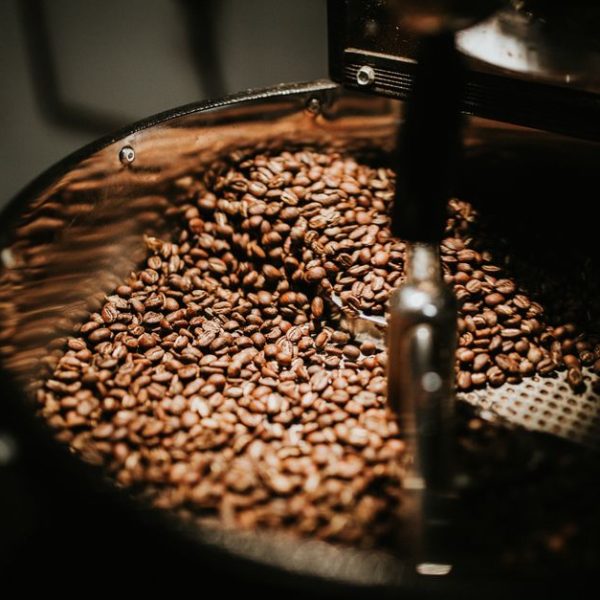
Think of your coffee roasting process not as a chaotic sequence of heat application, but as a precise architectural project. Most roasters struggle with inconsistency because they view the roast as a single, monolithic event rather than a series of distinct chemical phases. Once you isolate the Maillard reaction as the primary engine of flavor complexity, the mystery of the “perfect cup” evaporates. You no longer need to guess why your beans taste thin or muted; you simply need to manage the transformation of amino acids and reducing sugars with surgical intent.
Mastering the Maillard reaction in coffee roasting is your shortcut to moving from accidental success to repeatable excellence. This phase is the bridge between the grassy, vegetal notes of raw green coffee and the deep, caramelized profiles that define specialty beans. By shifting your focus toward controlling the velocity and duration of this specific window, you gain the power to dictate the final sensory experience. You are about to refine your roast profile by understanding exactly how to steer the chemistry inside the drum.
What Actually Happens During the Maillard Reaction in Coffee
At its core, the Maillard reaction is a non-enzymatic browning process. It begins once the coffee bean loses its initial moisture, typically around the 150°C (300°F) mark. During this stage, amino acids and reducing sugars collide, creating a complex web of melanoidins and hundreds of distinct aroma compounds.
Unlike simple caramelization, which involves only sugar, the Maillard reaction is responsible for the savory, bready, and toasted notes that provide depth to your blends. If you rush through this phase, the flavor precursors remain underdeveloped, leading to a hollow cup. Conversely, extending this phase too long can strip the coffee of its inherent brightness and clarity.
Identifying the Maillard Phase in Your Roast Profile
Recognizing the exact moment the Maillard phase begins is a skill that separates artisanal roasters from casual operators. You should monitor your roast closely as the beans transition from the drying phase into the browning phase.
Sensory Cues: Color Changes and Aroma Shifts
- Visual cues: Watch for the shift from a dull, “hay-like” yellow to a golden brown. This is your primary indicator that the chemical bonds are beginning to rearrange.
- Aroma shifts: The smell of the exhaust will change from a vegetal, grassy scent to something reminiscent of toasted grain or malt.
- **Aud
What Actually Happens During the Maillard Reaction in Coffee
…ible audible cues, specifically the “first crack,” signal that the internal pressure of the cellular structure is reaching a critical threshold.
Beyond these sensory markers, the Maillard reaction in coffee roasting is fundamentally a complex sequence of non-enzymatic browning. It occurs when reducing sugars—primarily glucose and fructose—react with amino acids under the influence of heat. This interaction triggers a cascade of chemical rearrangements, ultimately producing melanoidins, which provide the brown pigments and heavy body characteristic of your final brew.
Furthermore, this stage dictates the flavor complexity of your roast profile. Specifically, these reactions synthesize hundreds of volatile aroma compounds, including:
- Pyrazines: Responsible for the toasted, nutty, and earthy notes.
- Pyrroles: Contribute subtle caramel-like and sweet profiles.
- Furanones: Add the essential depth of cooked fruit or burnt sugar notes.
If you rush this phase, you risk stalling the chemical development, leaving the bean with an underdeveloped, “sour-green” acidity. Conversely, extending this window too aggressively can lead to a “baked” profile, where the delicate volatile compounds are incinerated, resulting in a flat, papery finish. You must balance heat application to allow these complex molecules to fully stabilize before entering the final development stage.
Identifying the Maillard Phase in Your Roast Profile
To master the Maillard reaction in coffee roasting, you must transition from passive observation to active sensory tracking. This phase typically initiates once the bean surface shifts from a raw, grassy green to a pale yellow, marking the onset of dehydration and the beginning of structural transformation.
Monitor these precise indicators to confirm you have entered the optimal window:
- Aroma Evolution: Look for the transition from “fresh hay” to “toasted grain” or “baking bread.” This shift indicates that amino acids and reducing sugars are actively bonding.
- Color Progression: Watch for the “canary yellow” stage. If your beans remain green or transition too abruptly to brown, you are likely rushing the heat application, risking a sub-par chemical development.
- RoR (Rate of Rise) Behavior: Observe a subtle dip in your RoR curve. As the internal moisture evaporates, the bean’s surface resistance increases, naturally slowing the momentum of the roast.
Avoid the common pitfall of over-relying on time-based targets. Instead, correlate these physical markers with your digital logs to build a repeatable, data-driven roast profile. If the aroma remains vegetal while the color turns brown, you have likely applied excessive heat too early, trapping moisture and stifling the necessary chemical precursors for complex flavor development.
Sensory Cues: Color Changes and Aroma Shifts
Beyond digital curves, your senses provide the ultimate real-time diagnostic for the maillard reaction coffee roasting process. As the beans transition from the “yellowing” phase, visual and olfactory inputs become your most reliable indicators of chemical progression.
Monitor these sensory markers to validate your heat application:
- The Cinnamon Transition: As the color deepens from yellow to light brown (cinnamon), look for a shift from “grassy” to “toasted grain” aromas. This signals the onset of non-enzymatic browning.
- The Sweetness Threshold: A distinct transition from toasted bread to a sweeter, malt-like aroma indicates that amino acids are successfully reacting with reducing sugars.
- Surface Texture: Watch for the bean surface to move from matte to a slight, oily sheen. If this occurs too early, you are likely accelerating the roast too aggressively, which risks scorching the exterior before the core finishes.
Avoid the common pitfall of relying exclusively on thermocouple readings. If your software shows the correct temperature but the aroma remains underdeveloped or “green,” trust your nose over the screen. Adjust your airflow or gas intensity immediately to extend the Maillard phase and ensure the precursor development reaches its full potential before the first crack.
Manipulating Flavor: Extending vs. Shortening the Maillard Phase
Beyond mere monitoring, you must actively manipulate the roast curve to dictate the final sensory profile. Extending the Maillard phase—the window between color change and first crack—is your primary tool for enhancing body and complexity. By reducing heat application during this segment, you allow amino acids and reducing sugars sufficient time to form melanoidins, which contribute significantly to the mouthfeel and sweetness of the final cup.
Conversely, shortening this phase by applying higher heat intensity accelerates the reaction, often resulting in a sharper, more acidic profile. This approach is beneficial for high-density, high-altitude beans where you want to preserve delicate floral notes rather than pushing deep, savory development.
Use these tactical adjustments to steer your roast:
- Extend for Depth: Reduce gas or increase airflow just after the yellowing stage. This slows the momentum, preventing the roast from rushing into the first crack and ensuring a fuller, more balanced body.
- Shorten for Vibrancy: Maintain a steady, higher rate of rise (RoR) through the mid-roast. This limits the time available for complex sugar browning, effectively “locking in” the inherent bright acidity of the origin.
Avoid the common pitfall of stalling the roast entirely. If you reduce heat too drastically, you risk a “baked” profile, characterized by flat, hollow flavors and a dull finish. Always maintain a positive, declining RoR to ensure the chemical transformations remain dynamic and clean.
The Impact of Bean Density and Processing on Maillard Velocity
While maintaining that momentum, you must account for the structural variables of the green coffee itself. Bean density and processing methods act as fundamental accelerators or inhibitors of the Maillard reaction, dictating how aggressively you should approach your heat application.
High-density beans, typically grown at higher altitudes, possess a tighter cellular matrix that resists heat penetration. Consequently, these beans require a more sustained thermal energy input during the Maillard phase to ensure internal development. Conversely, low-density beans transfer heat rapidly, making them prone to surface scorching if you do not moderate your flame intensity early on.
Processing methods further shift these requirements:
- Natural Processed Beans: These retain high sugar content in the mucilage, which caramelizes and browns at lower temperatures. You must shorten the Maillard window to prevent premature carbonization.
- Washed Processed Beans: Lacking residual fruit sugars, these rely heavily on the conversion of amino acids. Extend your Maillard phase slightly to compensate for the slower development of complex flavor precursors.
Failing to calibrate your roast profile to these specific traits often leads to “under-developed” centers in dense beans or “baked” exteriors in naturals. Always assess your green coffee’s physical properties before adjusting your burner settings to ensure consistent chemical transformation.
Troubleshooting Common Maillard Pitfalls
When your roast fails to achieve the desired sensory complexity, the culprit is rarely a lack of heat, but rather a mismanagement of the Maillard window. If your coffee tastes “flat” or exhibits “baked” notes—a dull, cereal-like profile—you have likely extended the roasting time without sufficient momentum, effectively stalling the chemical reactions.
To diagnose and rectify these imbalances, apply these tactical adjustments:
- The “Baked” Profile: This occurs when the Rate of Rise (RoR) drops prematurely during the Maillard phase. To fix this, increase your charge temperature or early-stage gas settings to ensure sufficient thermal energy is locked into the bean before the reaction peaks.
- Persistent Acidity: If your roast lacks sweetness despite hitting target temperatures, you are likely rushing through the Maillard phase. Extend this segment by 30 to 45 seconds by gently reducing airflow, which preserves the precursors necessary for sugar browning.
- Under-development: If the coffee tastes grassy or sour, your internal bean temperature failed to reach the threshold required for complex melanoidin formation. Tighten your delta between the drum environment and the bean surface by managing your exhaust fan speed more conservatively.
By treating the Maillard phase as a dynamic flow rather than a static timeline, you can pivot your roasting strategy mid-session to rescue a stalling batch. Monitor your RoR curve closely; if it flattens too early, intervene with a slight gas increase to re-energize the bean surface chemistry before the first crack.
Avoiding the Baked Flavor Trap
However, even with precise RoR management, you must remain vigilant against the “baked” defect. This flavor profile—characterized by a flat, cereal-like, or papery taste—occurs when the Maillard phase is excessively prolonged, causing the cellular structure to lose its moisture too slowly without reaching the necessary pyrolytic development. Essentially, your coffee loses its vibrant acidity and sweetness, leaving behind a dull, uninspired cup.
To prevent this common pitfall, implement these tactical safeguards:
- Maintain Momentum: Ensure your RoR does not crash below 3°C/30 seconds during the Maillard phase. A stagnant curve is a breeding ground for baked flavors.
- Airflow Calibration: Increase exhaust fan speed gradually as you approach the first crack to remove moisture efficiently, preventing the beans from “steaming” within their own environment.
- Total Time Caps: Limit your development time to 20–25% of the total roast duration. Extending this window often leads to the degradation of delicate aromatic compounds.
Mastering this phase is a shift from passive observation to active chemistry management. By treating the roast as a precise sequence of thermal events, you transform potential defects into a consistent, nuanced flavor profile. Start by logging your next three batches with these specific variables, adjusting only one parameter at a time to isolate the impact on your final cup quality.