
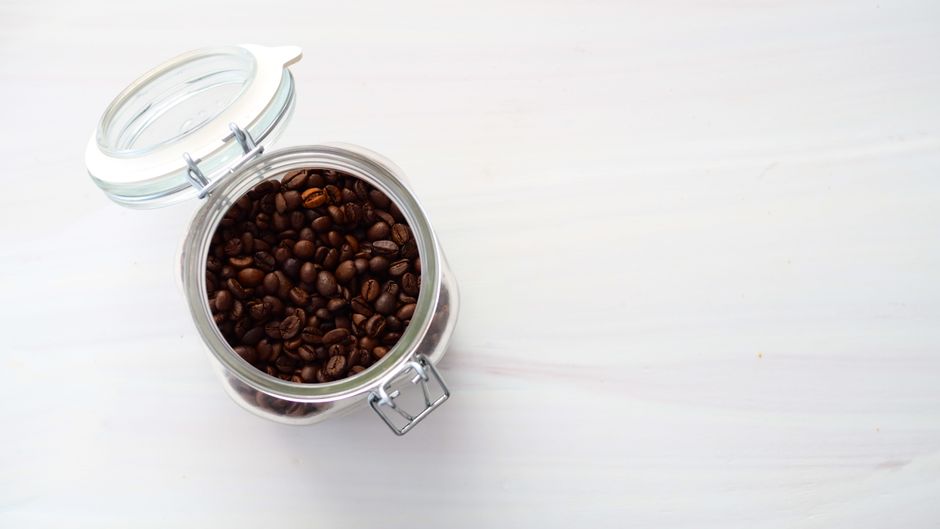
After spending over a decade cupping thousands of samples in professional labs, you begin to notice a stark divide between the coffee enthusiast who enjoys vibrant, complex notes and the one who perpetually settles for a dull, cardboard-like brew. The difference rarely boils down to the equipment or the origin of the harvest; it almost always comes down to how you manage the volatile organic compounds trapped within the bean after the roast date. Most people treat coffee storage as an afterthought, yet the air, light, and temperature in your kitchen are actively working to strip away the aromatic oils that give your morning cup its character. Mastering how to store coffee beans is less about buying expensive gadgets and more about respecting the chemistry of oxidation. If you have ever wondered why that premium bag of beans lost its sparkle within a week of opening, you have likely fallen victim to common environmental pitfalls. By adjusting your habits and controlling the micro-climate where your coffee lives, you can preserve that peak-freshness window significantly longer. This guide breaks down the professional protocols for maintaining bean integrity so that your last cup from the bag tastes just as alive as your first. The Four Silent Enemies of Coffee Freshness The degradation of coffee is not a mystery; it is a predictable chemical reaction. To maintain the quality of your beans, you must build a defensive perimeter against four specific environmental factors that accelerate staling. Oxygen: This is the primary catalyst for oxidation, which turns delicate coffee oils rancid and flattens flavor profiles. Light: UV rays break down the chemical structure of the beans, causing them to lose their aromatic complexity rapidly. Heat: Warmth encourages the off-gassing of carbon dioxide, which is essential for preserving the freshness of the beans. Moisture: Humidity causes premature extraction and can even lead to mold, effectively ruining the structural integrity of the cell walls. Should You Keep Beans in the Original Bag? Many roasters invest heavily in high-quality, multi-layered bags equipped with one-way degassing valves. These valves allow carbon dioxide—a byproduct of the roasting process—to escape without letting oxygen back into the package. For the first few weeks after the roast date, the original bag is arguably the best storage vessel you have. Once you open the seal, however, the effectiveness of the valve diminishes. If you consume the coffee within 7 to The Four Silent Enemies of Coffee Freshness ten days, your beans face immediate degradation. To preserve the volatile aromatic compounds that define your decaf’s profile, you must defend against four specific environmental catalysts that accelerate staling. These silent enemies dismantle the chemical structure of your coffee: Oxygen: Exposure triggers oxidation, causing the delicate oils within the bean to go rancid. This process effectively strips away the nuanced notes you paid for, leaving a flat, papery aftertaste. Light: Ultraviolet rays catalyze photochemical reactions. This light-induced degradation breaks down the organic compounds responsible for flavor, which is why opaque storage is non-negotiable. Heat: Elevated temperatures accelerate the rate of chemical reactions. Even moderate heat fluctuations force the beans to “outgas” prematurely, stripping them of their internal pressure and freshness. Moisture: Coffee is hygroscopic, meaning it greedily absorbs ambient humidity. This moisture introduces unwanted odors and can lead to structural decay within the cellular matrix of the bean. Mitigating these factors requires more than just a cupboard. You need a controlled micro-environment that isolates the beans from the fluctuating conditions of your kitchen. By neutralizing these four threats, you extend the peak flavor window significantly, ensuring the final cup remains as vibrant as the day it was roasted. Should You Keep Beans in the Original Bag? Many specialty roasters package decaf beans in high-quality, multi-layered bags equipped with one-way degassing valves. These bags are specifically engineered to allow CO2 to escape while preventing oxygen ingress, making them an excellent short-term storage solution. If your coffee arrives in a resealable bag with a valve, keep it there as long as you are consuming the beans within two to three weeks of the roast date. However, once you open the seal, the structural integrity of the bag often degrades. To maintain the barrier against humidity and air, consider these tactical adjustments: Squeeze the excess: Expel as much air as possible from the bag before resealing the zipper lock to minimize headspace. Upgrade to airtight canisters: If you notice the bag’s seal is flimsy or you plan to store the coffee for an extended period, transfer the beans to an opaque, vacuum-sealed, or airtight container. Avoid clear jars: Sunlight accelerates the breakdown of volatile aromatic compounds. If you prefer glass containers, store them strictly inside a dark, opaque cupboard or pantry. By treating the original packaging as a temporary vessel rather than a permanent home, you effectively prevent premature staling caused by repeated exposure to the kitchen environment. When to Upgrade to a Vacuum-Sealed Container However, standard containers often fail to mitigate the oxygen-driven degradation that accelerates once you open a bag of decaf beans. You should consider upgrading to a vacuum-sealed canister specifically when your consumption rate exceeds two weeks per bag. At this threshold, the oxidative stress on the coffee oils becomes chemically significant, leading to a noticeable loss of the subtle, nuanced flavors typical of high-quality decaf processes. Invest in a mechanical vacuum system if you observe these specific indicators: Extended Usage Cycles: You frequently purchase larger, cost-effective bulk bags that remain partially empty for over 14 days. High Sensitivity: You are brewing single-origin decaf beans where preserving delicate floral or fruit notes is paramount. Climate Instability: Your storage environment experiences frequent temperature fluctuations that cause air expansion and contraction within standard jars. By removing the ambient air entirely, you effectively stall the staling process, ensuring the final cup remains as vibrant as the day you opened the seal. The Fridge and Freezer Myth Debunked Despite common advice, storing your decaf coffee beans in the fridge or freezer is a high-risk gamble that often sacrifices