

The secret to mastering your daily brew lies not in the complexity of your equipment, but in your ability to map flavor profiles to their geographical origins. Most coffee enthusiasts treat their morning cup as a generic caffeine delivery system, missing the fact that every bean carries a distinct “terroir”—a signature fingerprint shaped by soil chemistry, altitude, and local processing traditions. By shifting your mental model from viewing coffee as a commodity to seeing it as a reflection of specific landscapes, you gain total control over the sensory experience you desire. When you understand how to navigate the best single origin coffee regions, you stop guessing at the supermarket shelf and start selecting beans with surgical precision. Whether you crave the sharp, electric acidity of a high-altitude African harvest or the comforting, dessert-like sweetness of Central American slopes, the solution is rooted in basic agricultural geography. This guide breaks down the world’s most influential coffee producing regions, providing you with the tactical knowledge required to curate a home coffee experience that consistently hits your preferred palate notes. Why Single Origin Matters for Your Morning Cup Single origin coffee functions as an unadulterated narrative of a specific place. Unlike blends, which are designed for consistency through the mixing of various beans, single origin offerings highlight the unique characteristics of a particular farm or micro-region. When you commit to single origin, you are essentially bypassing the “noise” of mass production. This allows you to experience the authentic terroir—the combination of climate, soil, and elevation—that defines the cup. Transparency: You know exactly where your beans were grown and processed. Flavor Clarity: You experience unmasked, distinct notes that aren’t smoothed over by blending. Ethical Impact: Buying single origin often supports direct-trade practices, ensuring farmers receive better compensation for high-quality crops. The African Powerhouses: Brightness and Floral Notes Africa is widely considered the cradle of coffee, and it remains the gold standard for drinkers who prioritize complexity and acidity. If your palate leans toward tea-like bodies, citrus, and floral aromatics, this is your primary region of interest. Ethiopia: The Birthplace of Arabica Ethiopia offers a flavor profile that is arguably the most distinct in the specialty coffee world. Because many coffee trees here grow wild in heirloom varieties, the genetic diversity is unmatched. You will typically find a delicate, tea-like body paired with Why Single Origin Matters for Your Morning Cup … vibrant floral aromatics and bright, citrus-forward acidity. While Ethiopia sets the standard for complexity, understanding why you should prioritize the best single origin coffee regions goes beyond mere flavor preference; it is a fundamental shift in how you consume caffeine. Choosing single origin coffee transforms your daily ritual from a generic energy boost into a sensory evaluation of geography. By isolating the harvest to a specific farm or micro-lot, you effectively eliminate the “blender’s mask”—a common industry practice where lower-quality beans are hidden beneath heavy roasting profiles. Consider these technical advantages when selecting your beans: Terroir Transparency: You experience the direct impact of soil composition, altitude, and climate on the cup, rather than a standardized, homogenized flavor. Traceability: You gain access to the specific processing methods—washed, natural, or honey-processed—that dictate the final clarity of the brew. Ethical Precision: You support localized supply chains, ensuring your purchase directly impacts the specific farmers who cultivated the unique characteristics of that region. Moving toward single origin requires moving away from the comfort of “consistent” dark roasts. Instead, you must embrace the seasonal variations inherent in agricultural products. This mindset shifts your goal from seeking a reliable, repetitive caffeine hit to actively curating a rotating portfolio of global harvests. The African Powerhouses: Brightness and Floral Notes Transitioning from a broader portfolio mindset, you must now sharpen your focus on the high-acidity profiles synonymous with the best single origin coffee regions in East Africa. Ethiopia and Kenya remain the industry benchmarks, primarily due to their high-altitude volcanic soils and meticulous wet-processing techniques. These environments consistently produce beans characterized by vibrant, wine-like acidity and complex floral aromatics. When brewing these origins, your primary objective is to highlight clarity rather than body. To achieve this, consider these technical adjustments: Adjust Your Grind: Use a slightly finer setting than usual. The dense cell structure of high-grown African beans requires more surface area exposure to extract those delicate jasmine and bergamot notes. Water Chemistry: Utilize water with lower mineral content. High bicarbonate levels will dull the sparkling acidity that defines these regions, effectively “muting” the cup. Temperature Control: Aim for a slightly higher brew temperature (94°C–96°C) to fully articulate the distinct citrus and stone fruit profiles. A common pitfall is over-extracting these beans, which introduces harsh, astringent metallic notes that mask the inherent sweetness. If you encounter this, decrease your agitation or slightly coarsen the grind to regain balance. By treating these coffees as “delicate teas” rather than “heavy roasts,” you unlock the sophisticated profile that justifies their premium status. Ethiopia: The Birthplace of Arabica Transitioning from the robust, heavy-bodied profiles of other regions, shifting your focus to Ethiopia requires a fundamental recalibration of your sensory expectations. As the ancestral home of Coffea arabica, Ethiopia offers an unparalleled genetic diversity that manifests in its cup profiles as ethereal, tea-like clarity rather than aggressive intensity. To truly appreciate these coffees, you must prioritize low-agitation brewing methods. Because Ethiopian heirloom varietals often possess delicate floral aromatics and high malic acidity, excessive mechanical agitation during extraction can easily introduce astringency. Signature Flavor Notes: Expect vibrant jasmine, bergamot, lemon zest, and stone fruit sweetness. Optimal Brewing Approach: Utilize a V60 or Chemex with a high-clarity paper filter to accentuate the crisp, tea-like body. Water Chemistry: Use soft, mineral-balanced water to prevent the masking of subtle citrus top notes. A common pitfall involves over-extracting these beans with boiling water. Instead, experiment with a slightly lower temperature—around 90°C to 92°C—to preserve the volatile aromatic compounds that define the quintessential “Yirgacheffe” profile. By treating these beans with surgical precision, you honor their complex heritage rather than burying it
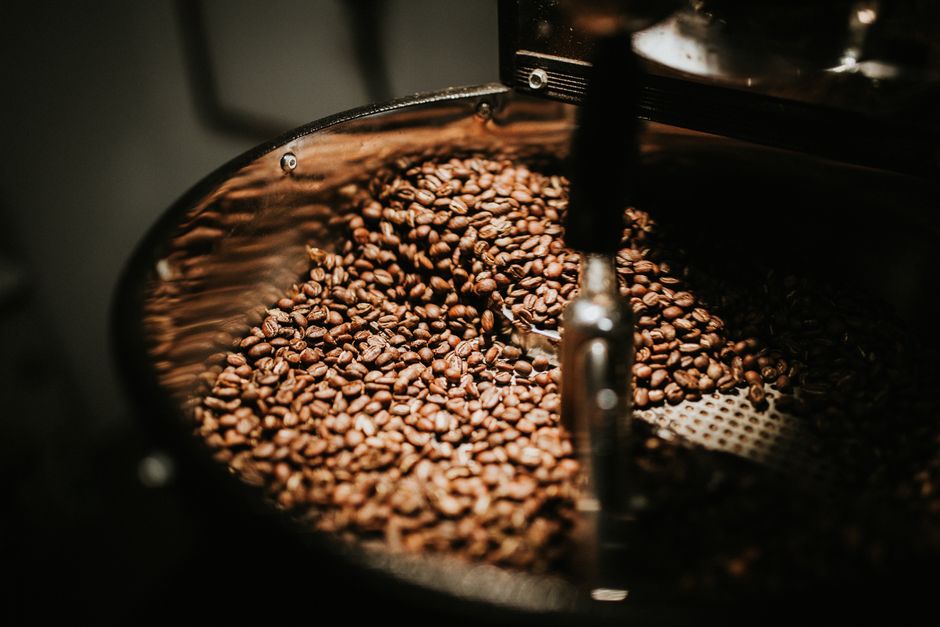
How Coffee Roasters Create Consistent Espresso Blends
Many enthusiasts assume that crafting a signature espresso blend is simply a matter of tossing different beans into a hopper and hoping for the best. This widespread myth suggests that blending is a way to mask low-quality beans or hide roasting defects. In reality, professional blending is a rigorous exercise in chemical architecture, designed to surpass the limitations of any single-origin coffee. When you understand how coffee blends are made, you realize it is not about covering up flaws; it is about engineering a specific sensory experience that remains stable, even as harvests shift across the globe. To achieve that reliable, syrupy espresso shot you crave, roasters must move beyond guesswork and embrace a disciplined approach to flavor design. This process demands a deep understanding of bean density, solubility, and the precise timing of flavor development. By moving away from the “trial and error” mindset, you can start to identify the hidden layers in your favorite espresso and even begin crafting your own profiles at home. Let’s strip away the marketing jargon and look at the technical reality of what happens behind the roaster’s door. The Philosophy Behind the Blend Blending is the roaster’s primary tool for creating a consistent product. While single-origin coffees offer a snapshot of a specific terroir, they are inherently volatile; their flavor profiles change with every new shipment. A blend allows a roaster to create a “house style” that defies these seasonal fluctuations. By combining coffees with complementary characteristics—such as a high-acid bright bean and a low-acid, heavy-bodied bean—you create a cup that is greater than the sum of its parts. The goal is to build a complex profile where the acidity, sweetness, and bitterness are balanced in a way that no single bean could achieve on its own. Deciding Between Pre-Roast and Post-Roast Blending The debate between blending before or after the roast is one of the most contentious topics in the industry. Your choice here dictates the complexity and control you have over the final flavor profile. The Case for Blending Before the Roast Blending before roasting, often called “green blending,” is favored by large-scale operations for efficiency. You mix the raw green beans and roast them together in one batch. Operational Ease: It simplifies inventory management and throughput. Integrated Flavors: Some argue that roasting beans together allows the chemical compounds to “marry” more effectively The Philosophy Behind the Blend Beyond operational convenience, the true philosophy behind how coffee blends are made centers on architectural design—not mere mixing. You are essentially acting as a flavor engineer, balancing the inherent volatility of agricultural products to create a profile that remains static despite seasonal shifts. While single-origin coffees highlight the idiosyncrasies of a specific terroir, blends provide a canvas for deliberate flavor construction. You utilize this technique to achieve three distinct objectives: Standardization: Mitigating the “crop cycle” risk by swapping components to maintain a target flavor profile year-round. Complexity Management: Pairing a high-acidity bean (like a washed Kenyan) with a high-body, low-acid bean (like a natural Brazilian) to create a balanced cup that neither origin could achieve alone. Economic Strategy: Optimizing cost-to-flavor ratios without sacrificing the quality of the final espresso extraction. A common pitfall is viewing blending as a “fix” for defective beans. In reality, blending is a proactive exercise in flavor optimization. If you attempt to mask inferior quality with high-end beans, you will ultimately fail; the defects will inevitably manifest in the cup. Instead, approach each component as a structural pillar designed to support the overall sensory experience. Deciding Between Pre-Roast and Post-Roast Blending Once you have established your sensory pillars, you must decide how to physically integrate them. Choosing between pre-roast and post-roast blending is not merely a workflow preference; it is a fundamental engineering decision that dictates the final flavor profile. Pre-roast blending involves mixing raw green coffees before heat application. This method demands that your chosen beans possess similar density, moisture content, and size. If these variables diverge significantly, the roasting process becomes a guessing game, as you cannot adequately address the specific thermal requirements of individual components. Consequently, this approach often leads to uneven development, where one bean is scorched while another remains underdeveloped. Conversely, post-roast blending offers granular control. By roasting each origin separately, you can dial in the precise roast profile—be it light, medium, or dark—to highlight its unique characteristics before combining them. Consider these technical trade-offs: Pre-Roast Blending: Maximizes convenience and shelf-life consistency but limits your ability to correct for varying bean hardness. Use this only when sourcing highly uniform green lots. Post-Roast Blending: Provides superior precision for complex espresso profiles. You can isolate a high-acid bean for a light roast and a heavy-bodied bean for a darker roast, then marry them to create a balanced, multidimensional shot. Avoid the common pitfall of blending mismatched densities in a pre-roast setup; you will inevitably sacrifice either sweetness or clarity. If your goal is a high-end, repeatable espresso, prioritize post-roast blending to exploit the full potential of every origin in your blend. The Case for Blending Before the Roast While pre-roast blending is often romanticized as the “traditional” method for achieving harmony, it introduces significant thermodynamic challenges. When you combine beans with varying moisture content, screen sizes, and cellular densities into a single drum, you lose individual control over the development phase. A dense, high-altitude Ethiopian bean will require vastly different heat energy compared to a lower-grown, porous Brazilian bean. If you insist on blending before roasting, consider these technical constraints to avoid uneven profiles: Density Matching: Group origins with similar physical structures to ensure the roast curve impacts both components uniformly. Moisture Calibration: Ensure water activity levels are within a 0.05 margin; otherwise, one component will stall while the other scorches. Thermal Inertia: Account for the cumulative mass of the blend, as larger batches of mixed density often lead to unpredictable flickers in the rate of rise (RoR) toward the end of the roast. Ultimately, this approach forces a compromise. You are essentially roasting to