

Coconut shell charcoal is an eco-friendly fuel made from the carbonized shells of mature coconuts. Known for its low smoke and long burn time, coconut shell charcoal is an excellent alternative to traditional wood charcoal. Production Process Coconut shells are collected, cleaned, and carbonized in a controlled environment to remove moisture and volatile compounds. The result is a dense, high-quality charcoal suitable for cooking, grilling, and industrial purposes. Uses and Applications This charcoal is used in households for cooking and barbecues, and industrially as activated carbon for water filtration and air purification. Its versatility makes it a valuable natural product. Environmental and Economic Benefits Using coconut shell charcoal reduces waste, supports environmental sustainability, and provides income opportunities for coconut farmers and small-scale producers. Coconut shell charcoal remains a sustainable, efficient, and multi-purpose resource. Its eco-friendly production and diverse applications make it an essential product for both domestic and industrial use.
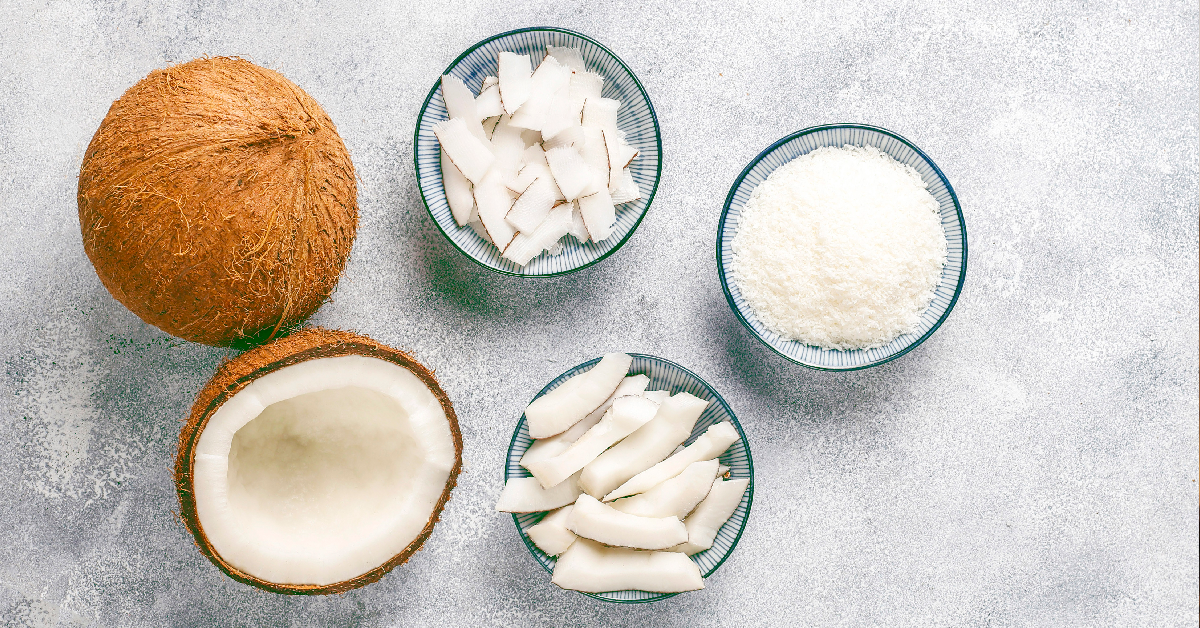
Copra Coconut Uses and Benefits
Copra coconut is the dried kernel of mature coconuts, widely used in the production of coconut oil and other coconut-based products. This natural product has been an essential commodity in tropical regions for centuries. Harvesting and Drying Copra is harvested from fully matured coconuts and carefully dried to reduce moisture content. The drying process preserves its nutrients and ensures it can be stored and traded for long periods. Uses and Applications The primary use of copra is in the production of coconut oil, which finds applications in cooking, cosmetics, and industrial products. Copra is also processed into animal feed and other by-products, making it a versatile commodity. Economic Importance Copra coconut provides a sustainable source of income for farming communities. With growing global demand for coconut oil and natural products, copra remains a valuable and reliable resource. Understanding copra coconut and its uses highlights the significance of this natural product. Whether for oil production, health benefits, or economic purposes, copra continues to play a vital role in the coconut industry.